
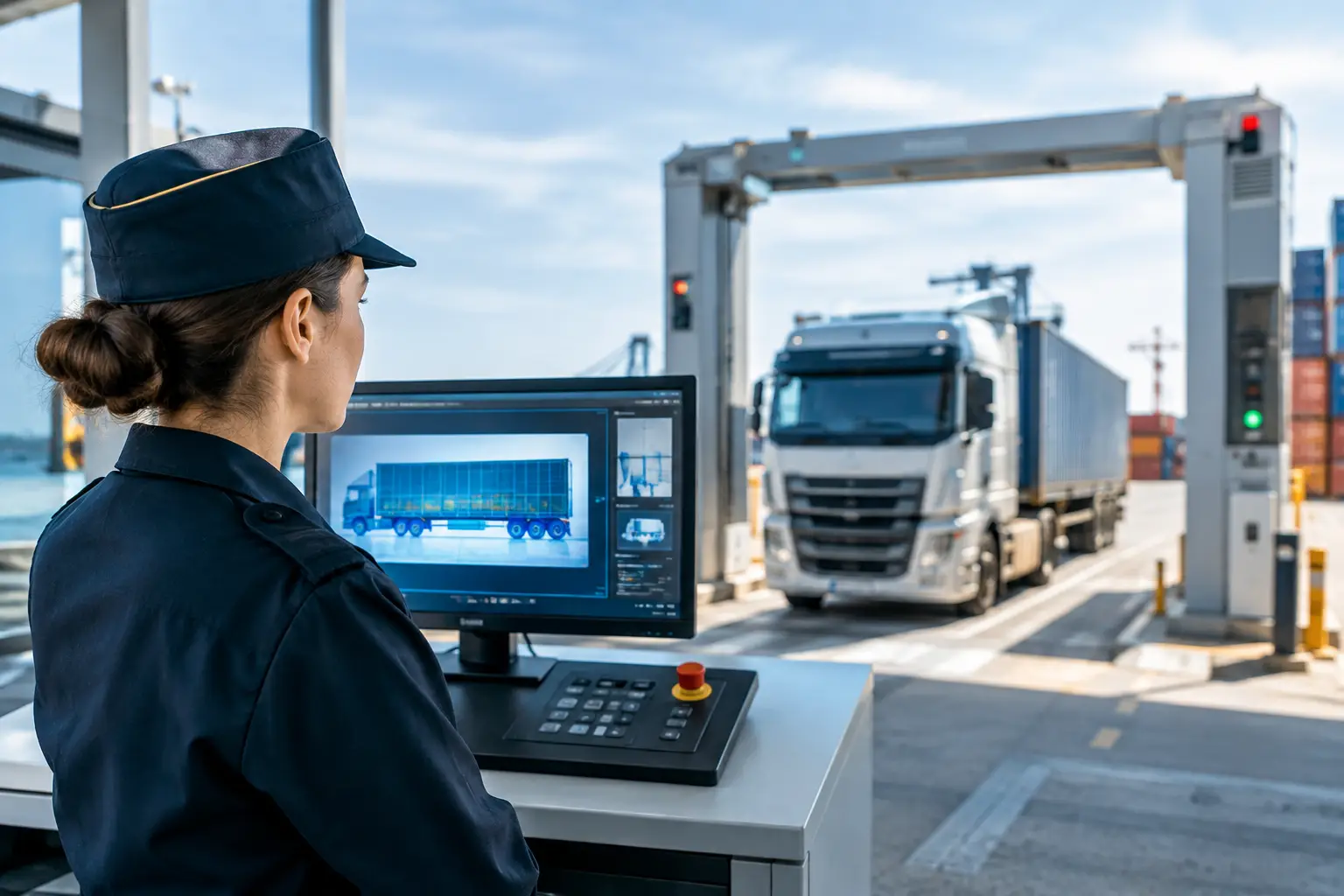
A truck can be loaded, dispatched, and sitting near the border before anyone realizes a commercial invoice is missing a unit value or a part number does not match the classification on file. That is where customs automation earns its value. It does not replace the work of moving freight across the US-Mexico border. It removes the repetitive document handling, data rekeying, and late-stage surprises that turn routine entries into preventable delays.
For high-volume importers, the goal is not to add another dashboard for the team to manage. The goal is control: get the right data from the documents already being sent, validate it before freight reaches the port, and give customs, transportation, and warehouse teams the same operating picture.
What customs automation actually does
Customs automation is the use of software, rules, and workflow logic to convert trade documents and shipment data into customs-ready information. In a practical cross-border operation, that can include reading invoices and packing lists from email, extracting line-item data, checking required fields, applying product classification logic, building entry data, and flagging exceptions for a licensed customs professional.
The distinction matters. A document repository is not automation. Neither is a portal that forces a shipper to manually enter the same information already printed on an invoice. Useful automation reduces touches between the moment documents arrive and the moment an entry is ready to submit.
For US-Mexico freight, the workflow often spans more than a U.S. entry. A shipment may require Mexican customs documentation, a pedimento, carrier coordination, drayage scheduling, broker communication on both sides, and delivery planning after release. Automating one isolated task can help, but it will not eliminate the handoff gaps between parties responsible for the move.
Why manual customs workflows fail under volume
Manual processes can work for low shipment counts, stable products, and a small set of known suppliers. They become fragile when volume increases, product mixes change, or several facilities send documents in different formats. The issue is rarely that a customs team does not understand compliance. The issue is that skilled people are spending too much time chasing inputs and transcribing data.
A typical failure sequence is familiar. A supplier emails a revised invoice to one person. The carrier receives a different version. The broker is working from the first file. A consignee changes the delivery appointment because release timing is unclear. By the time the discrepancy surfaces, the truck, warehouse, and customs teams are all reacting to the same missing data from different systems.
That creates two kinds of cost. The visible cost is delay: storage, demurrage exposure, missed appointments, production disruption, and extra drayage. The less visible cost is lost accountability. When data moves through inboxes, spreadsheets, broker portals, and carrier calls, no one has a reliable answer to a basic operational question: What is blocking this shipment right now?
Where automation has the biggest impact
The strongest customs automation programs start with high-frequency work, not grand transformation plans. Invoice intake is a clear example. Software can identify suppliers, extract manufacturer information, quantities, values, country of origin, and product descriptions, then compare those fields against expected shipment data. The customs team reviews exceptions instead of retyping every line.
Classification support is another high-value use case. A system can match repeated products to approved HTS classifications, surface conflicting descriptions, and route unfamiliar items for review. It should not blindly classify goods based on a vague invoice description. Classification decisions affect duty, admissibility, trade remedy exposure, and recordkeeping. Automation should make decisions easier to audit, not harder to explain.
Pre-arrival validation can also prevent border problems before a driver is dispatched. Rules can check whether required documents are present, whether values reconcile, whether a consignee or importer of record is valid, and whether product data contains gaps that would stop entry preparation. A missing field is far cheaper to resolve while freight is at origin than when it is approaching Laredo.
The final impact area is status management. Customs release status should be connected to transportation execution. If release is pending, the carrier and receiving facility need to know. If release is obtained, drayage and delivery can proceed without waiting for another email chain. This is where customs data becomes an operational control point rather than a back-office record.
The right workflow keeps people in the exceptions
Automation is not a license to remove judgment from customs operations. The best model is straight-through processing for predictable, validated transactions and immediate escalation for exceptions.
A clean repeat shipment may move quickly because the manufacturer, classification, valuation approach, and parties are already established. A new supplier, changed component, inconsistent country of origin, or unclear product description should trigger review. The system should explain why it stopped the file and assign that exception to the right owner.
This is especially important for US-Mexico trade because compliance details can affect both timing and border execution. A document issue on one side of the border can disrupt the full move. Teams need licensed expertise and clear ownership when an entry requires interpretation, correction, or agency communication.
The practical standard is simple: automate the repeatable work, document the decisions, and escalate what carries compliance risk. If a platform hides its logic or produces entry data that no operator can verify, it is creating a faster path to the wrong result.
What to look for in a customs automation partner
Technology matters, but the operating model matters more. A customs automation provider should fit the way your team already sends shipment documents and manages freight. If adoption requires every supplier, plant, carrier, and warehouse to learn a new portal, the process will break at the edges.
Look for a workflow that can work from the inputs you already use, including email and common document formats. It should provide a clear audit trail showing source documents, extracted data, changes, approvals, and submission status. Customs teams need to know not only that an entry was filed, but what information supported it and who resolved any exception.
The provider should also understand the freight side of the operation. A clean entry that is disconnected from trucking, drayage, and final delivery still leaves your team coordinating handoffs. For time-sensitive loads, customs readiness, border crossing status, and transportation status need to sit in one operating workflow.
BorderFlow approaches this as a unified execution problem. Its technology can automate document intake and data extraction directly from email while licensed brokerage and cross-border transportation teams handle the real-world movement. No portal. No login. No change to your workflow.
Measure the results beyond entry speed
Entry turnaround time is useful, but it is not enough. A fast entry process can still fail if documents arrive late, exceptions sit unassigned, or transportation teams do not receive release updates in time to act.
Track the percentage of documents processed without manual rekeying, the number of exceptions per shipment, time to resolve exceptions, releases received before truck arrival, and border-related detention or storage events. Review which suppliers, facilities, or product categories generate the most document defects. Those patterns often point to an upstream process that needs correction.
It also helps to separate productive intervention from avoidable intervention. A customs specialist reviewing a genuine classification issue is valuable. A specialist correcting a missing unit of measure for the hundredth time is evidence that the workflow should be improved.
Start with the bottleneck, not the software
The fastest path to better customs performance is to map one real shipment from document receipt to final delivery. Identify every handoff, every manual re-entry point, and every moment someone waits for status from another party. Then automate the highest-volume, lowest-judgment work first.
The border will always require disciplined compliance and experienced operators. What it does not require is repeated copying, unclear ownership, and a truck waiting on information that was already sitting in an inbox. Build the workflow around early validation and accountable execution, and customs becomes a controlled part of the move instead of the point where momentum stops.