
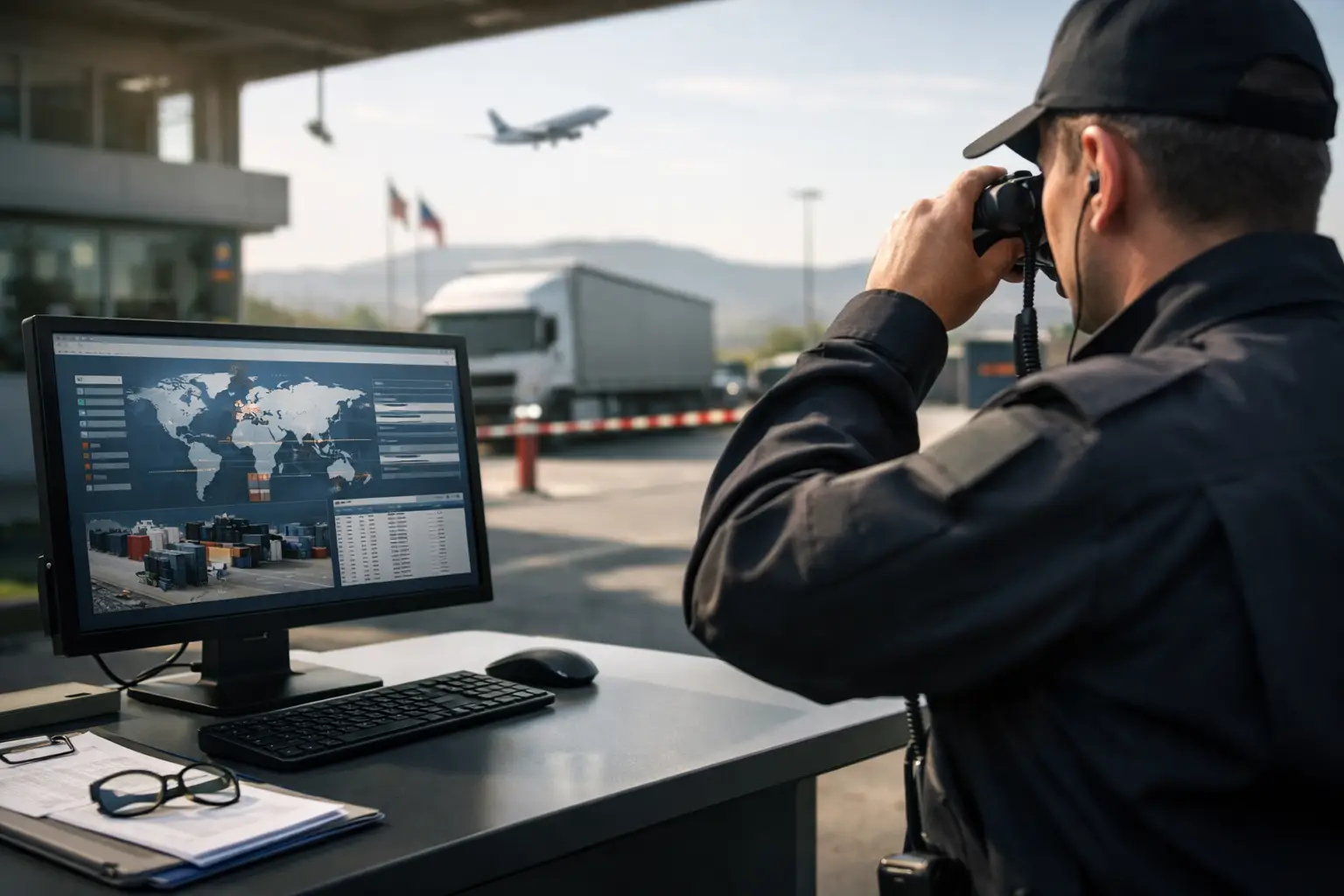
A shipment can be loaded, dispatched, and sitting within miles of the border - yet still lose a day because a commercial invoice arrived late, a part number was classified inconsistently, or nobody owns the handoff between the carrier and broker. Customs brokerage software is supposed to prevent that. Too often, it just creates another portal for your team to monitor.
For US-Mexico freight, the right system does more than produce an entry. It controls the flow of data, documents, filings, freight status, and exceptions across both sides of the border. The result should be faster decisions, fewer manual touches, and one accountable operating workflow.
What Customs Brokerage Software Should Actually Do
Basic brokerage systems are built around filing. They store shipment information, prepare declarations, and transmit required entry data to customs authorities. Those functions matter, but they are only one part of border execution.
A practical customs technology layer must start before the truck reaches the port. It needs to capture documents as they arrive, validate critical data, identify missing information, support classification and valuation controls, and route the file to the right customs team before a preventable issue becomes a border delay.
For imports into the United States, that may mean preparing a CBP entry, managing entry documentation, and supporting Importer Security Filing requirements where applicable. For Mexico-bound freight, the workflow must support the information and documentation required to prepare the pedimento and coordinate with a licensed Mexican customs operation. These are not interchangeable processes. They need a shared operating view.
That distinction matters for supply chain teams. A filing tool can confirm that an entry was submitted. An execution platform should show whether the paperwork is complete, who is responsible for the next action, whether the truck is cleared to move, and what happens if it is not.
The Real Problem Is Fragmented Border Execution
Most border delays are not caused by one dramatic customs failure. They come from small gaps between parties: an invoice sent to the wrong inbox, a broker waiting on a packing list, a carrier arriving before release is confirmed, or a warehouse receiving no notice that freight has been held.
When brokerage, drayage, trucking, and communication run through separate vendors and systems, your team becomes the integration layer. Someone has to chase updates, reconcile shipment references, forward documents, and determine who owns an exception. That labor is rarely visible in a transportation budget, but it compounds quickly across high-volume lanes.
Customs brokerage software should remove those handoffs rather than digitize them one by one. A useful system connects the commercial data to the customs filing, the filing status to the truck movement, and the truck movement to delivery planning. It turns a chain of emails and phone calls into an accountable workflow.
For a shipper moving automotive components from Monterrey to a U.S. production facility, the difference is operational. If the entry file is incomplete, the system should flag it before dispatch or before the truck reaches Laredo. If a release is delayed, the transportation team should see the exception early enough to adjust appointment plans and protect downstream production.
The Best Workflow Starts Where Your Documents Already Arrive
Many software deployments fail because they ask operators to abandon the way work actually enters the business. Documents do not always arrive through structured EDI feeds. They arrive by email from suppliers, plants, freight forwarders, and internal teams. They may be attached as PDFs, spreadsheets, scans, or image files with inconsistent naming conventions.
Forcing every party into a new portal can improve data discipline in theory. In practice, it can create adoption friction, duplicate work, and workarounds that put the operation back in email.
A stronger approach is to meet the workflow at the inbox. The system should ingest documents directly from email, extract usable data, associate files with the right shipment, and identify what is missing or inconsistent. Human review remains essential for complex classifications, valuation questions, and unusual transactions. Automation should eliminate repetitive document handling, not pretend that customs judgment can be removed from the process.
That is why no portal, no login, and no change to your workflow can be more than a marketing line. It is a design requirement for busy customs and logistics teams. Technology earns adoption when it reduces the work required to operate it.
Where Automation Helps - and Where It Does Not
Automation is especially valuable when the same data is being read, retyped, and checked by multiple people. Product descriptions, quantities, country of origin, shipper details, invoice values, and reference numbers are all common sources of manual effort and entry errors.
The right customs brokerage software can automate document intake, data extraction, file assembly, status updates, and routine validation. It can also help standardize the information that reaches the broker, reducing the back-and-forth that slows entry preparation.
But automation has limits. A tariff classification decision may depend on the precise function, material composition, or end use of a product. Origin analysis can require a deeper review of manufacturing and qualification rules. Related-party transactions, assists, royalties, antidumping exposure, and unusual valuation structures need informed oversight.
The goal is not touchless customs at any cost. The goal is to direct experienced customs staff toward decisions that require expertise while the platform handles the repetitive administrative work. A system that automates bad source data only lets errors move faster.
What to Evaluate Before You Choose a Platform
The best fit depends on your trade volume, product complexity, internal customs capability, and how much responsibility you expect the provider to own. A company with a mature in-house compliance team may want software that improves control and reporting. A shipper with lean operational staff may need managed brokerage and transportation execution wrapped around the technology.
When evaluating customs brokerage software, focus on operating questions instead of feature checklists:
- Can it accept documents through the channels your suppliers and carriers already use?
- Does it provide one shipment view across customs, drayage, linehaul, and final delivery?
- Can your team see exceptions early, with a clear owner and next action?
- Does the provider have licensed customs capability on both sides of the US-Mexico border?
- Can it support your real data requirements, including classification, valuation, origin, and audit documentation?
- Will it work with your existing TMS, ERP, email process, and carrier network without a long workflow overhaul?
A polished dashboard is not enough. Ask how the provider handles a missing invoice at 4:30 p.m., a classification discrepancy on a critical part, or a truck that has reached the border without release confirmation. The answer reveals whether the technology is connected to real execution.
Visibility Is Only Useful When It Drives Action
Shipment visibility is often treated as a reporting feature. For cross-border freight, it is a control mechanism.
A useful view does not just show that a load is “in transit.” It shows whether documents were received, whether customs preparation is complete, whether the entry or pedimento is pending, whether a release has been obtained, and whether the truck can continue toward its delivery appointment. It should distinguish a normal milestone from an exception that needs intervention.
This is particularly valuable for high-frequency US-Mexico lanes. Small delays create congestion at yards, missed receiving windows, detention exposure, and production risk. When customs status and transportation status live in different places, the team finds out too late. When they operate in the same workflow, people can act before the issue spreads.
BorderFlow applies this model through a single operating layer for brokerage, customs coordination, drayage, and cross-border trucking. Its BorderFlow OS and Zight AI customs agent are designed to process customs documents from email, extract data, and move files toward entry submission without requiring customers to adopt another daily portal.
Measure the Work That Disappears
The value of customs software is not only the number of entries filed. Measure the operational work it removes and the risks it makes visible.
Track document-to-ready time, the percentage of files complete before truck arrival, manual touches per shipment, exception resolution time, clearance-related dwell, and the frequency of missing or corrected data. These metrics expose whether the platform is improving execution or simply adding another reporting layer.
Also measure accountability. If a shipment is delayed, can your team identify the reason, the responsible party, and the recovery plan in minutes? If not, the workflow is still fragmented, regardless of how modern the interface looks.
The best border technology does not ask your team to become software administrators. It gives them control over the work that matters: getting the documents right, clearing freight on time, and moving every shipment forward with fewer handoffs and no uncertainty about who owns the next move.